
Week 9 Session 1 Topic:

1. Recommender Systems Explained: How Facebook Knows What You Want Before You Do!
Personalization stands as the key factor in our digital present. You experience recommender systems every time you browse your news feed or watch a series or make purchases online because these systems deliver personalized content and products and advertisements.
The most advanced and popular recommender system operates as the backbone of Facebook under its current name Meta. Facebook (now Meta) uses constant efforts to understand your preferences and behavior for creating an engaging and relevant experience through your feed posts and seen ads. This system operates through specific mechanisms which drive its importance in the recommendation process.
2. What is a Recommender System?
A recommender system represents a machine learning algorithm which recommends relevant items to users. These items could be:
- Posts, videos, and stories on social media
- Products on an e-commerce site
- Movies and series on streaming platforms
- News articles and blog posts
The main objective of recommender systems is to minimize information overload by presenting content that users will most likely find interesting or useful.
There are two main types of recommender systems:
Content-Based Filtering: recommends items similar to those the user liked in the past.
Collaborative Filtering: recommends items based on what similar users liked.
Large-scale systems such as Facebook deploy hybrid systems which merge both types of recommendations together with multiple intelligence layers.
3. How Facebook Uses Recommender Systems?
The real-world operation of recommender systems can be perfectly demonstrated through Facebook. The Facebook interface displays content that is not randomly arranged when you access your account. Facebook uses an algorithm to generate your personalized feed by selecting content it thinks will interest you the most. This includes:

Suggested Posts
- Have you ever encountered a post from a page that you do not follow appearing in your news feed? That’s not by accident. Facebook’s recommender system looks at:
Your interaction history: likes, shares, comments, and watch time.
The behavior of similar users: what people with similar interests engage with.
Post attributes: type of content (image, text, video), length, popularity, etc.
Engagement probability: the likelihood you’ll interact with that post.
- Have you ever encountered a post from a page that you do not follow appearing in your news feed? That’s not by accident. Facebook’s recommender system looks at:
The system will recommend additional content of the same type (for example, short funny videos about dogs) even if you haven’t interacted with the pages or creators before.
The dynamic personalization helps users stay on the platform for longer periods by showing them content that they are likely to enjoy or respond to.
4. Recommender Systems & Facebook Ads
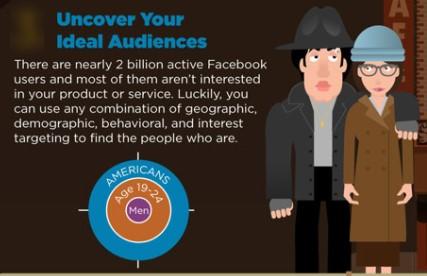
Facebook generates most of its profits from advertising and its recommender system functions as the core mechanism for delivering targeted ads. What determines which advertisement the platform selects for your viewing?
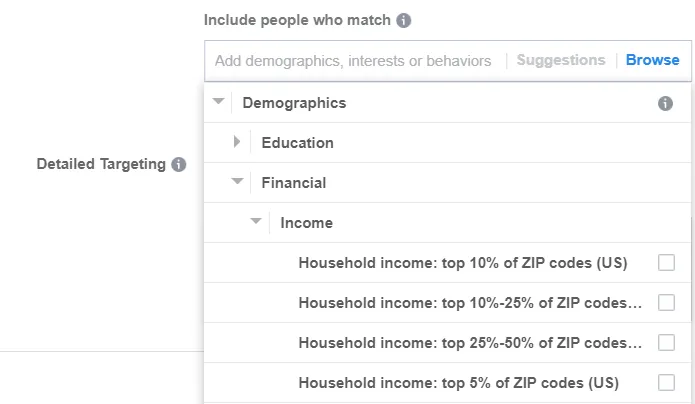
Here’s how Facebook targets ads effectively:
User Profile Data
Age, gender, location, language, device, etc.Behavioral Data
Pages liked, ads clicked, purchases made, time spent on posts, browsing behavior across Facebook and even outside via Facebook Pixel.Lookalike Audiences
Facebook enables businesses to discover users who match their most valuable customers through collaborative filtering and clustering methods.Real-Time Interactions
Facebook shows travel-related ads as soon as you visit a travel website. The recommendation engine uses real-time data to make these recommendations.
5. The Technology Behind the Magic
The recommender system of Facebook operates through sophisticated machine learning models which include:
- Deep Learning (Neural Networks): Recognizes patterns in large datasets.
- Natural Language Processing (NLP): The system uses this technology to analyze and organize text-based information.
- Graph Neural Networks (GNNs): analyze social graph relationships between users and content to understand their connections.
- Reinforcement Learning: Real-time feedback loops enable the system to improve recommendation quality continuously.
The models analyze billions of daily data points which include your scrolling patterns and video watching behavior to learn your preferences and forecast future preferences.
6. Challenges and Considerations
Recommender systems are powerful tools but they are not without their limitations. Some challenges include:
- Echo chambers & filter bubbles: Recommender systems can reinforce existing beliefs by showing only similar content.
- Privacy concerns: Facebook’s data collection practices have raised ethical questions and sparked debates around user consent.
- Bias & fairness: Algorithms may inadvertently favor certain groups or content types if not carefully monitored.
Facebook has made public efforts to address these issues, offering tools for users to manage ad preferences and content visibility. Still, it’s a complex and ongoing area of research.
7. What’s Next for Facebook and Recommender Systems?
Meta’s expansion into the metaverse and its ongoing development of Instagram and Threads will drive additional advancements in recommender systems. Users will experience increasingly tailored content and improved ad targeting and potentially new forms of personalization that emerge from VR/virtual reality and AR/augmented reality interactions.
Final Thoughts
Recommender systems operate behind the scenes to form our digital interactions. Not only Facebook but also platforms like Instagram, YouTube, Twitter(X) uses its own recommendation system to determine what content we view and what products we purchase and what information we accept as true. The benefits of these systems come with important duties and technical obstacles that need solutions from tech companies.
Every post you find perfectly suited to your interests was likely generated by these algorithms aka Recommender System.
References:
Meta AI. (2022, July 21). The AI behind unconnected content recommendations on Facebook and Instagram. Meta. https://ai.meta.com/blog/ai-unconnected-content-recommendations-facebook-instagram/
SocialBee. (2025). Facebook algorithm explained: 2025 insights. https://socialbee.com/blog/facebook-algorithm/
Facebook Journalism Project. (n.d.). How Facebook recommends news content. Meta. https://www.facebook.com/journalismproject/learn/recommending-content
ReadyAI. (2020, July 6). Learn how recommender systems work with your own Facebook data. Medium. https://medium.com/readyai-org/learn-how-recommender-systems-work-with-your-own-facebook-data-5e46e011ac07
Analytics Vidhya. (2019, October 25). Facebook recommendation system case study. Medium. https://medium.com/analytics-vidhya/facebook-recommendation-system-case-study-8dfc3ff5ddcc


