
In this week, I had the opportunity to dive deep into the world of Arduino—a journey that not only sharpened my technical skills but also provided a clearer understanding of how theory translates into practical, physical circuitry. In this post, I’ll walk you through my experience exploring an Arduino kit, setting up a basic circuit, and reflecting on the learning process from both a technical and academic standpoint.
Unboxing and First Impressions
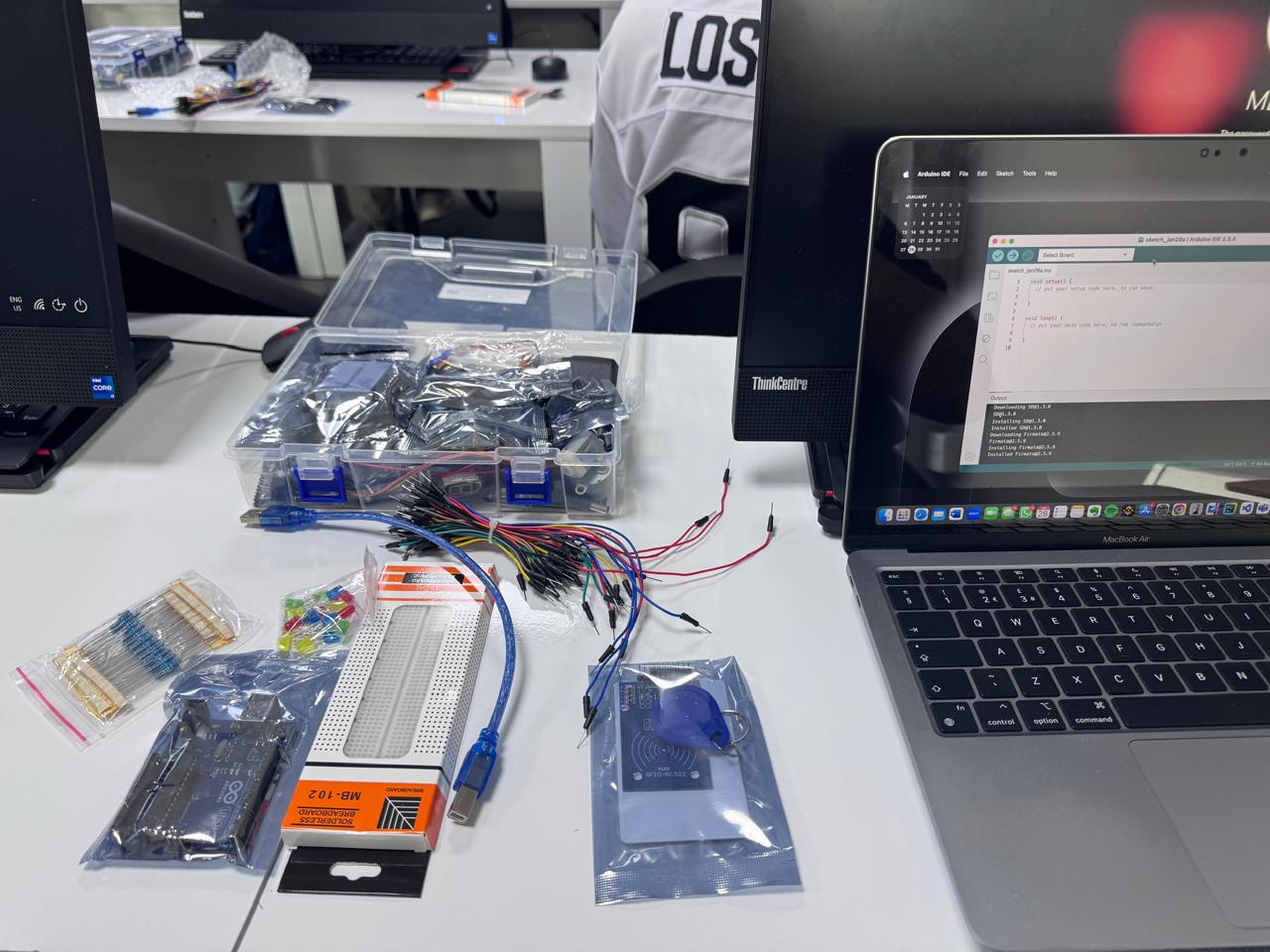
The adventure began with unboxing the Arduino kit. Every component—from the microcontroller board to the assortment of sensors and wires—was meticulously organized and clearly labeled. This initial step was crucial; it reminded me that, just like in any engineering project, preparation sets the tone for a successful experiment. I made sure to document each component, noting down its function and possible applications in future projects.
Experimenting with Circuitry
Once familiar with the components, I moved on to assembling a simple circuit. Following the standard schematic provided in our lab manual, I connected the LED and resistor to the Arduino board. This hands-on session was not just about making things work but also about understanding the underlying electronics principles. I observed firsthand how voltage and current interact within a circuit—a concept that we had only discussed theoretically in class.
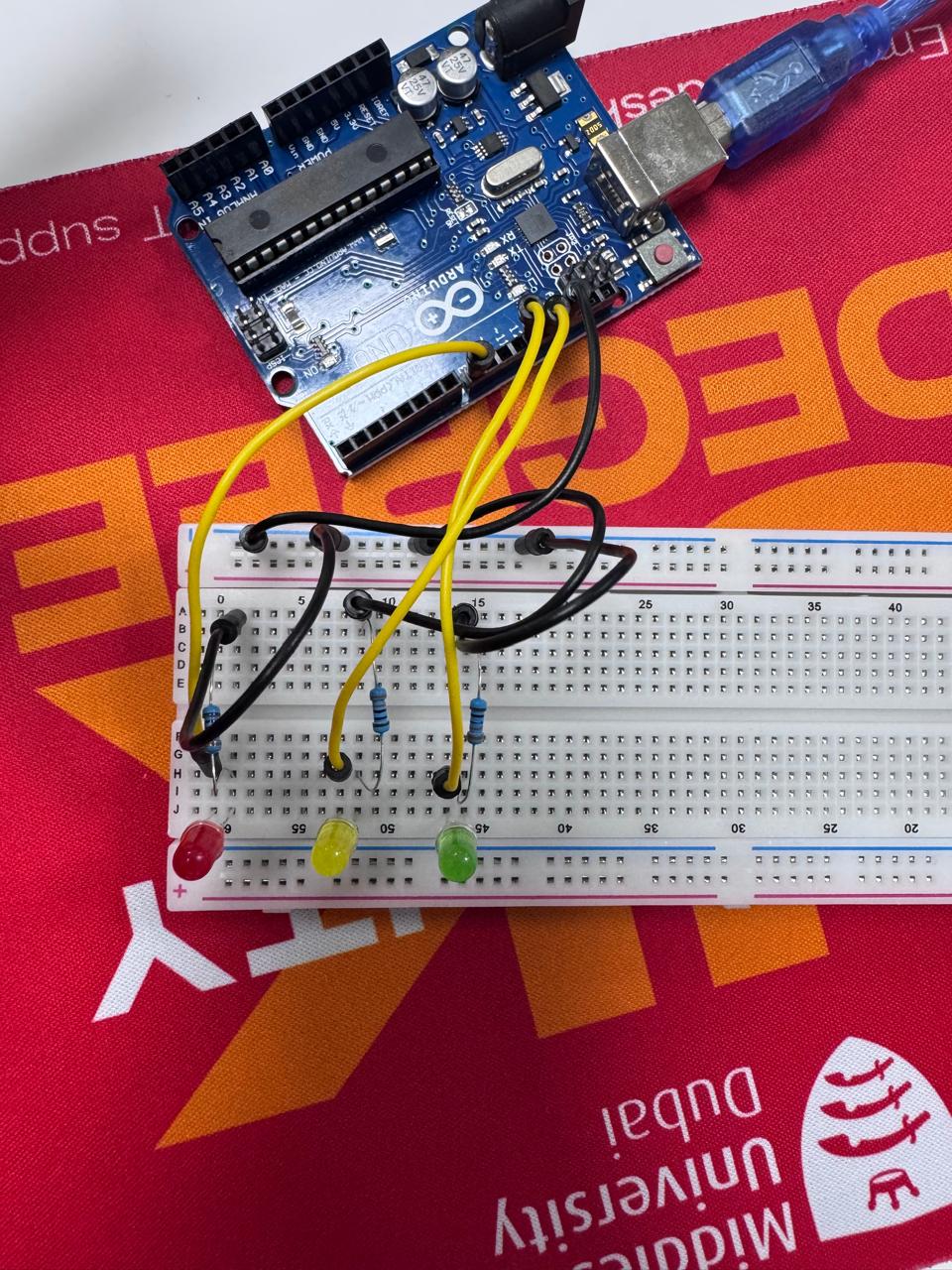
While the wiring might seem straightforward, it required precision and an attentive mindset to avoid common pitfalls such as loose connections or incorrect resistor placements. Each mistake became a learning opportunity, reinforcing the importance of careful planning and troubleshooting in engineering practices.
Programming the Arduino: Bridging Hardware and Software
After the physical assembly, I switched my focus to programming. Using the Arduino IDE, I uploaded a basic script that blinked the LED at a regular interval. This step highlighted the seamless integration between hardware and software, and it was fascinating to see how a few lines of code could control a physical component in real time.
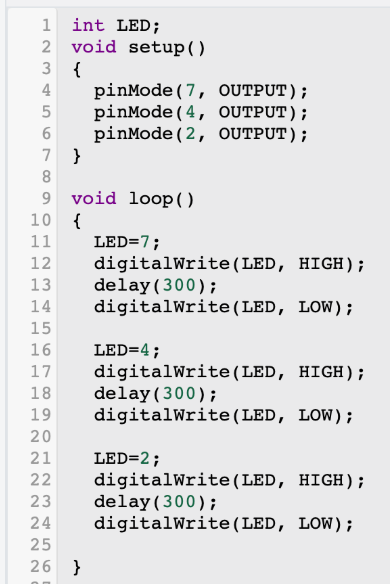
The iterative process of writing, testing, and debugging the code offered insights into how software can complement hardware. It also emphasized the importance of clear, logical thinking—an essential skill in both academic research and practical engineering.
Result
Reflection
This session was more than just an exercise in assembling circuits or writing code, it was a comprehensive learning experience that merged theory with practice. Here are a few key takeaways:
- Attention to Detail: Both in circuit assembly and coding, small mistakes can lead to larger problems. Precision is important.
- Iterative Learning: Each error encountered provided a valuable lesson, underscoring the importance of resilience and persistence.
- Integration of Disciplines: The seamless blend of physical circuitry and programming illustrates the interdisciplinary nature of modern engineering, where hardware and software are intrinsically linked.
Looking ahead, I am excited to build on this foundation. The next steps involve more complex projects that will challenge me to further integrate my theoretical knowledge with practical applications, fostering a deeper understanding of digital electronics and interactive design.


