
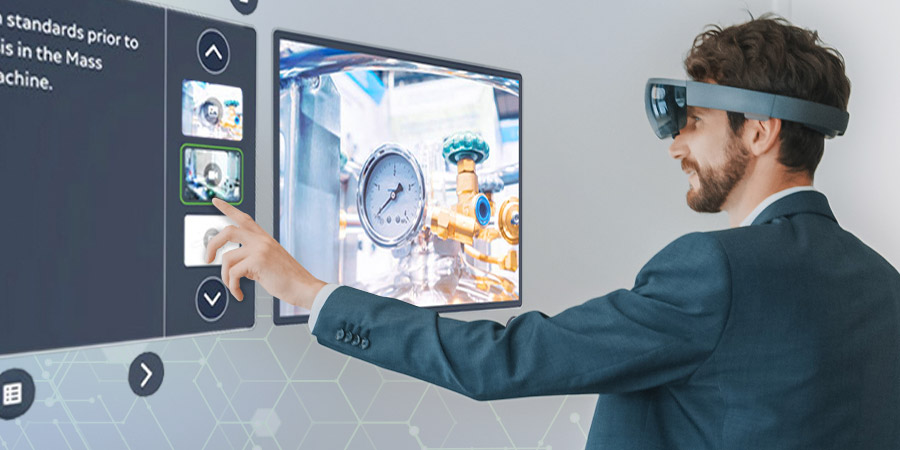
AR operates differently from VR because it places digital content directly on real environments without complete virtual immersion. The combination of real-world surroundings appears with additional graphical elements such as the yellow first-down line that appears on football fields (ibm.com). The real world remains the main focus of AR while devices such as smartphones display real-time overlays which resemble Instagram or Snapchat filters that add virtual objects to your face or Pokémon Go which places digital creatures at your current location (Niantic). The system uses your camera sensors and computer vision to detect faces and surfaces before rendering virtual objects with correct size and orientation and lighting (ibm.com).
AR Devices and Platforms

There are a many ways to experience AR, one of those are:
- Smartphone/Tablet AR: The simplest way to experience mobile AR is through a phone’s camera and screen. The popular apps Snapchat, Instagram, TikTok, Google Maps Live View, and IKEA Place add virtual elements on top of reality. Apple (ARKit) and Google (ARCore) allow many AR apps for education, gaming, and shopping. The markerless technology allows almost any smartphone to dynamically place objects. The experience requires you to view through a small screen while holding the device which results in a less seamless experience.
- AR Glasses/Headsets: Wearable AR glasses such as Google Glass, Microsoft HoloLens and Magic Leap display digital elements directly in your field of view. You see the real world through clear lenses and holograms appear to float and interact with surfaces. This hands-free AR is more immersive than phone-based options but is bulkier, expensive, and mostly used in industry. There is still excitement about lightweight consumer AR glasses possibly arriving soon.
Experiences and Examples of AR
AR becoming common through various examples that many people have probably already experienced:
Social Media Filters (e.g., Snapchat, Instagram):
The system detects facial features to add fun or informative 3D elements such as puppy ears or air-quality data.
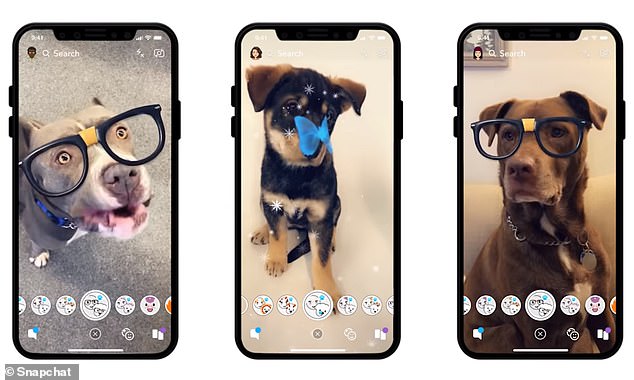
Your real face and environment remain visible while the system makes digital modifications in real time.
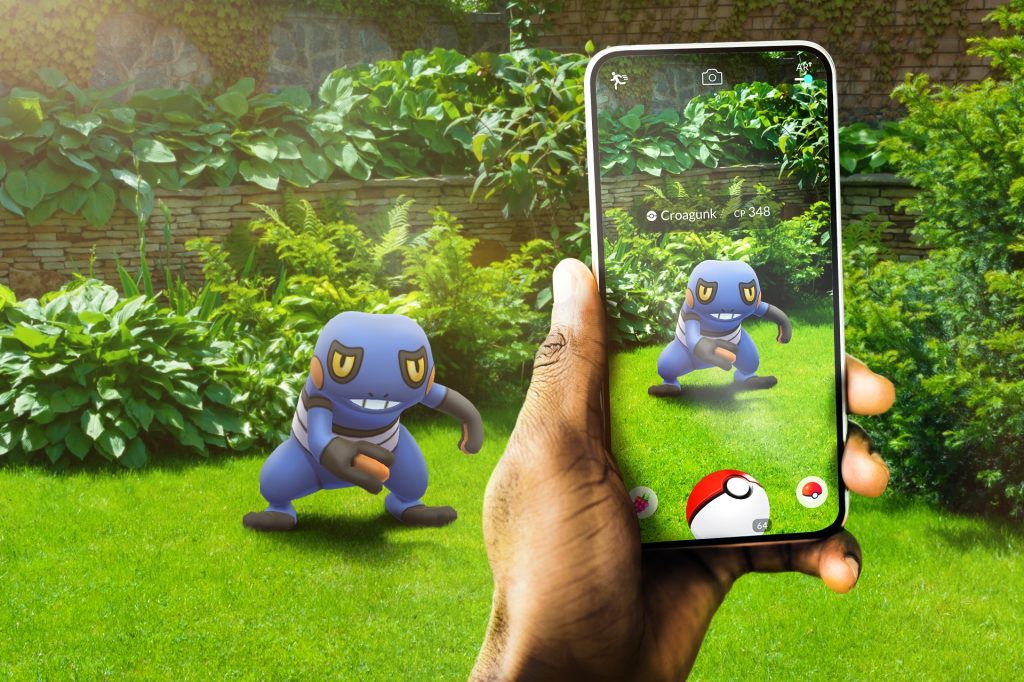
Games (e.g., Pokémon Go, Minecraft Earth):
Make virtual creatures/structures appear in your actual environment.
The gameplay should require players to move around physically while interacting with the real environment.
Navigation & Travel (e.g., Google Maps AR mode):
Overlays directional arrows on live camera.
Tourist apps can label landmarks or show historical info.
Museums can use AR to animate or reconstruct artifacts.
Retail & Shopping (e.g., IKEA Place):
Place virtual furniture at scale in your own room.
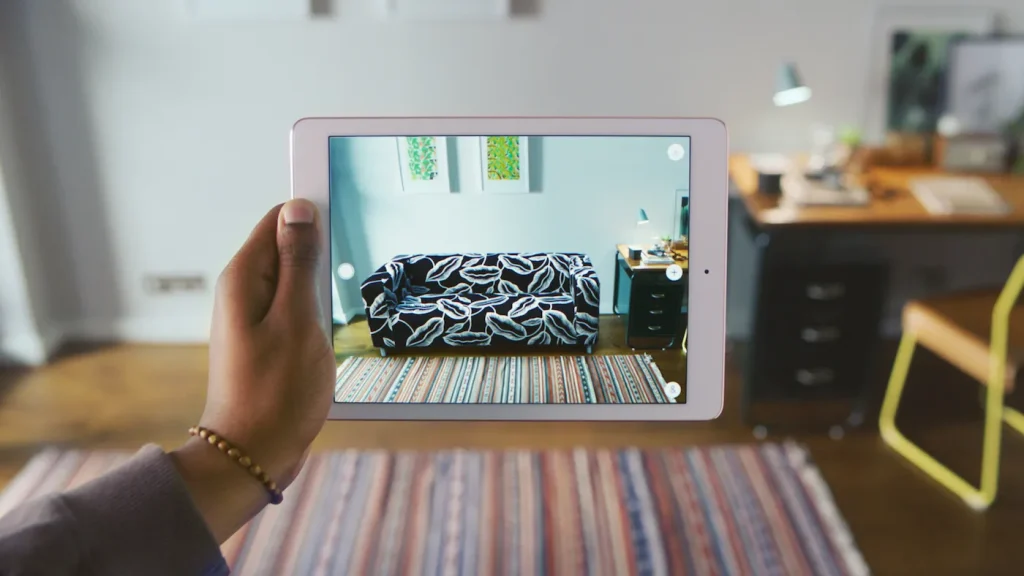
AR overlays enable you to virtually try on glasses, clothing, or makeup on your face.
The technology provides improved visualization during online shopping but its accuracy levels differ from one use to another.
Education & Training:
AR apps can display 3D molecules or organs above a textbook/body.
Helps visualize complex tasks and reduces errors.
Conclusion
The main purpose of AR consists of merging physical environments with digital elements. The real-world anchoring effect of AR technology makes it more socially acceptable for various situations because users remain aware of their physical environment unlike VR experiences. The main difficulty of AR consists of creating useful and realistic digital overlays which avoid causing distraction. The group observed that AR experiences exist on a spectrum from basic text and 2D images superimposed on real views to advanced interactive 3D objects which appear to occupy physical space. The transition to Mixed Reality (MR) begins when virtual objects start interacting with real-world elements such as hiding behind physical objects and interacting with physical surfaces.
References
- IBM. (2024). What is Augmented Reality? Retrieved 2025, from IBM Think Blog: https://www.ibm.com/think/topics/augmented-reality
- Tremosa, L. (2025). Beyond AR vs. VR: Differences between AR, MR, VR, XR. Interaction Design Foundation. https://www.interaction-design.org/literature/article/beyond-ar-vs-vr-what-is-the-difference-between-ar-vs-mr-vs-vr-vs-xr
- Niantic. (2016). Pokémon GO [Mobile game]. The Pokémon Company. (Example of AR gaming)
- Snap Inc. (2023). Snapchat Augmented Reality Lenses. [Mobile App]. (Example of AR social filters)
- Dr. Sameer Kishore. (2025). CST1160 – Emerging Technologies in Practice – Week10/11/12. (Slide data from VR2.pdf)


