The World of Physical Computing: A Hands-On Journey
Physical computing is not just a buzzword—it’s an invitation to interact with the digital world in a tangible way. In this week, we have embarked on immersive journeys that fuse electronics, programming, and creativity to bring projects to life. This blog post explores the essence of physical computing through real-world classroom sessions and hands-on experiments, particularly focusing on Arduino-based projects and interactive computing sessions.
Diving into the Fundamentals
At its core, physical computing is about bridging the gap between code and the physical world. By using microcontrollers like Arduino, learners are given the tools to build projects that respond to environmental inputs, such as light, sound, or movement. The initial sessions of the course laid the groundwork for understanding how digital signals can control physical devices, setting the stage for a more in-depth exploration of interactive systems.
In the classes, we were introduced to key concepts, such as sensor integration, circuit design, and the basics of programming microcontrollers. This foundational knowledge empowers students to understand not only how devices work, but also how to innovate using technology as a tool for solving real-world problems.
Hands-On Sessions: From Theory to Practice
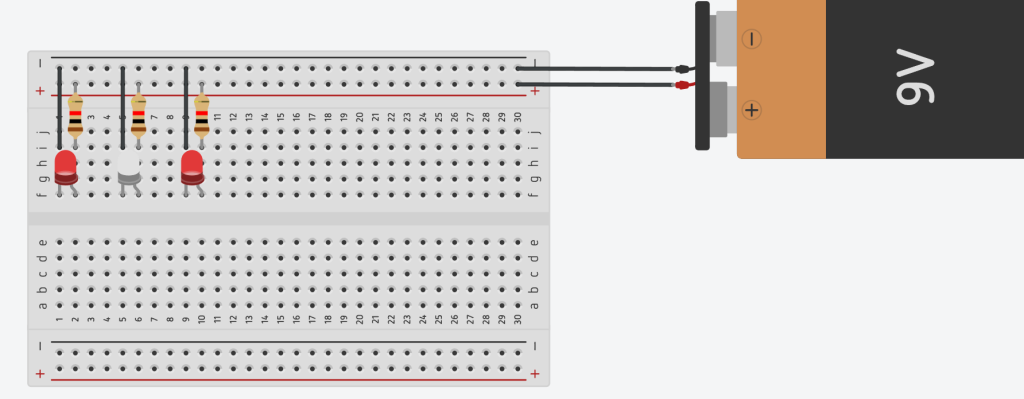
One of the most exciting aspects of physical computing is the opportunity to learn by doing. Recent classroom sessions have moved beyond theory to offer practical, hands-on experiences that inspire creativity and problem-solving. Students participated in guided lab sessions where they assembled circuits, programmed microcontrollers, and saw their ideas come to life in real time.
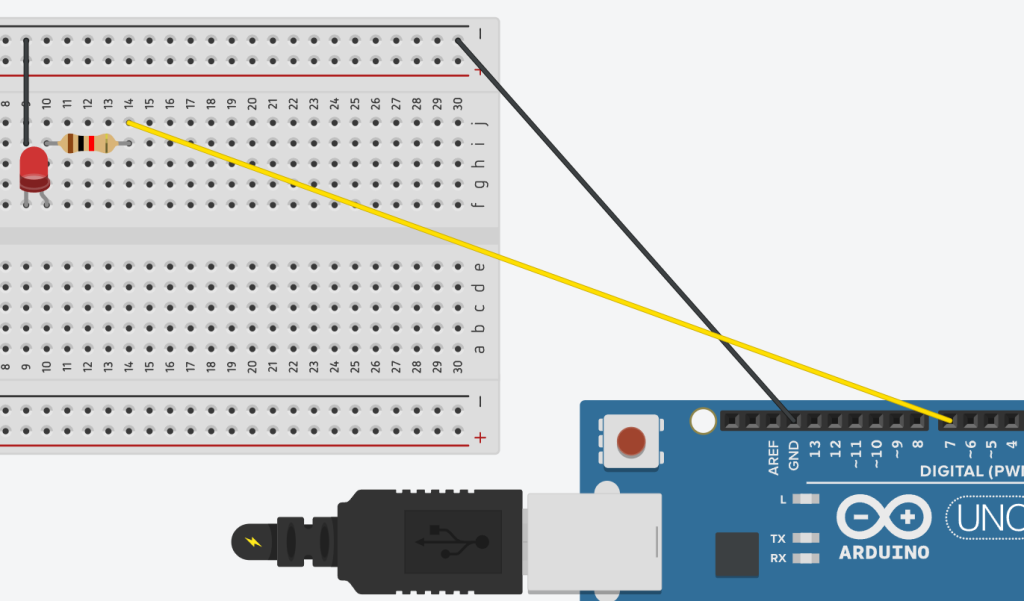
During these sessions, participants experimented with simple Arduino projects—such as lighting up LEDs based on sensor data or creating interactive displays. This direct engagement helped demystify the technology and showed that even complex systems can be understood and manipulated with the right tools and guidance. The approach not only reinforces theoretical learning but also builds confidence as students see tangible results from their efforts.
Looking Ahead: The Future of Interactive Learning
The journey through physical computing is just beginning. With each new project, learners unlock further potential, discovering innovative ways to integrate digital and physical realms. The experiences shared in these early sessions hint at a future where interactive learning environments empower students to take on complex challenges with confidence and creativity.
By blending practical exercises with theoretical insights, the course continues to shape a generation of makers who are not only technically proficient but also imaginative problem solvers. As we look ahead, the evolution of physical computing promises to redefine educational experiences, making learning an engaging, hands-on adventure.
Tinkercad Week 1 Class 2