
Activity 1: VR Training vs Real World Training
Virtual Reality (VR) brings revolutionary changes to training methods across different sectors of industry. The digital simulation of real-life scenarios through VR provides an innovative approach to learning. The virtual reality training method delivers specific advantages and difficulties which differ from standard real-world instruction. This paper examines the benefits and drawbacks of virtual reality training against traditional educational approaches to evaluate its current position in educational systems.
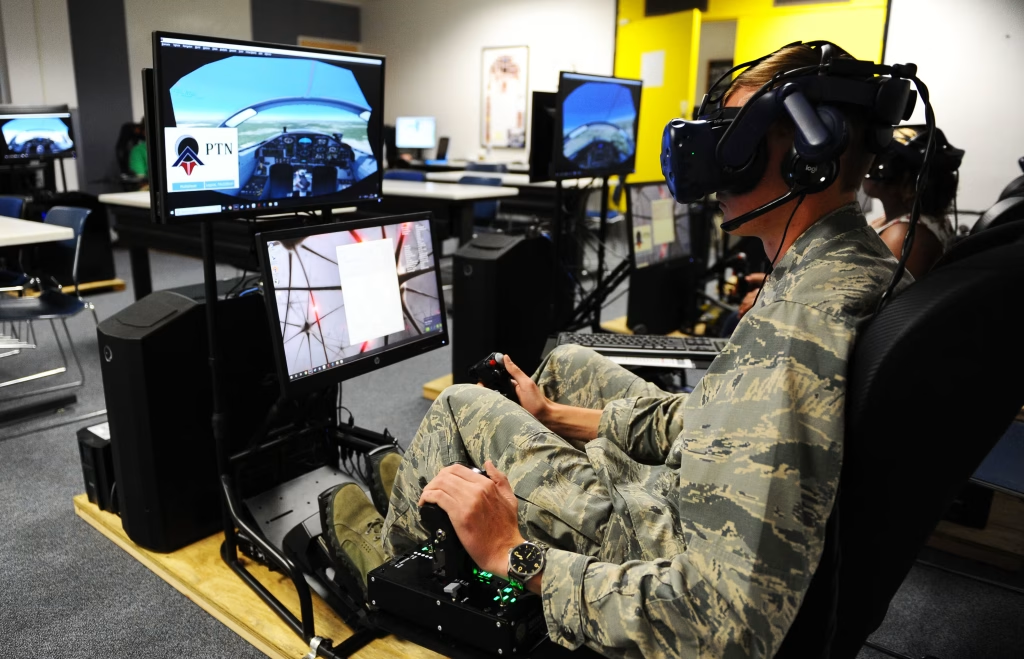
Benefits of VR for Training
Safe Environment
Through virtual reality users can practice risky operations such as firefighting and surgical procedures and military missions in a safe virtual environment.
Cost-Effective
The VR setup allows multiple sessions to run at a lower cost since no additional travel or physical equipment or materials are needed.
Repeatable and Consistent
Every trainee experiences the same scenario, which ensures that training is standardized and easier to evaluate.
Immersive Learning
Students who fully participate in class activities maintain better memory retention and comprehension especially when they learn through hands-on activities or visual methods.
On-Demand Access
The platform allows trainees to practice at any time and from any location which proves especially beneficial for remote learning or global teams.

Advantages of VR Training over Real-World Training
- Lower long-term costs
- Safe mistake-making environment
- No wear and tear on physical tools or environments
- Instant feedback through simulations
- The system provides tailored scenarios which match the skill level of individual users.
Disadvantages of VR Training
- High upfront cost for development and equipment
- The lack of real tactile feedback means users cannot experience real pressure, weight or heat.
- Some users may experience motion sickness when using the system.
- The technology is limited and not all scenarios can be perfectly replicated.
- Needs tech support and updates.
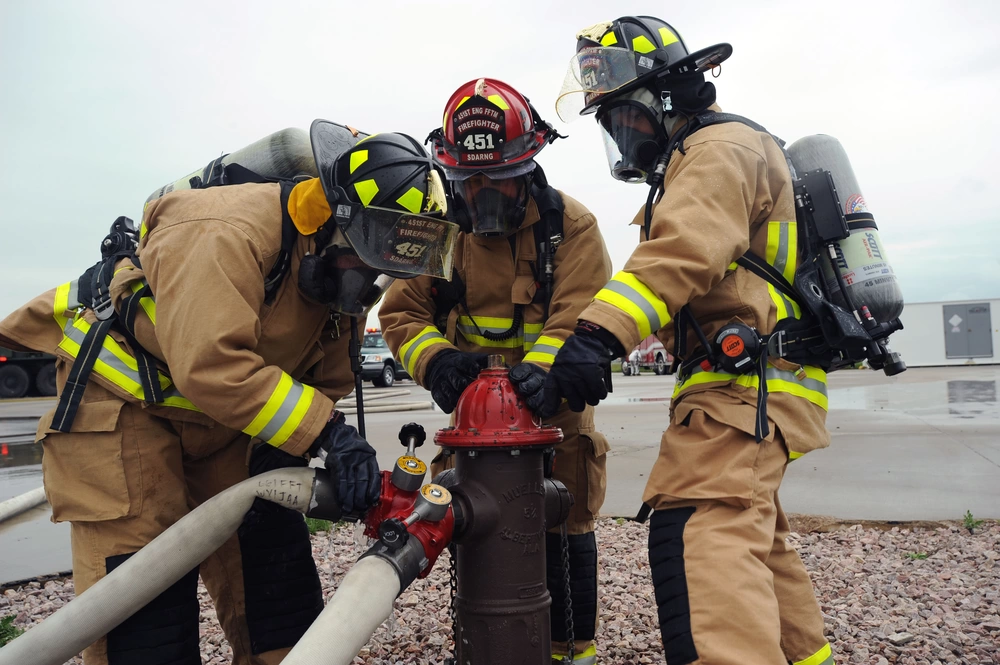
Advantages of Real-World Training
- Real tactile experience where you feel the tools, environment, and physical consequences
- Better for soft skills like teamwork, customer interaction, or emotional intelligence
- More intuitive feedback—from instructors and real-time situations
- Fewer technical barriers (no VR gear or learning curve)
Conclusion
Virtual Reality provides excellent benefits for technical, high-risk, or repetitive training because it ensures safety, consistency and cost savings over time. However, it can’t fully replace real-world, hands-on experience, especially for skills that depend on human interaction or physical feedback.
References
- Cotton, M. (2022, October 31). Disadvantages of VR training. Future Visual. https://www.futurevisual.com/blog/disadvantages-of-vr-training/
- Quintana, C. (2025, March 11). Virtual Reality vs. Traditional Training: Which One Works Best? Linezero. https://www.linezero.com/blog/virtual-reality-vs-traditional-training
- Simbott. (2025, April 12). 11 Virtual Reality Advantages and Disadvantages (2025). SIMBOTT. https://simbott.com/virtual-reality-advantages-and-disadvantages/
- The Benefits of AR-Based Training (with Examples) – VirtualSpeech. (n.d.). https://virtualspeech.com/blog/benefits-of-ar-mr-training
- Understanding VR Training: A Comprehensive guide. (2025, February 6). PIXO VR. https://pixovr.com/what-is-virtual-reality-training/


